
“Born from Above”
In the Gospel of John, there is a man who comes to God in the dark. His name is Nicodemus. He is a Pharisee—a leader, a teacher, a man who has spent his entire life inside the system. He knows the rules. He keeps the rules. He enforces the rules. And somewhere deep inside all that order, all that certainty, something is stirring that the rules cannot contain.
So he goes to Jesus. But he goes at night.
In John’s Gospel, night is never just a time on the clock. Night is a spiritual condition—the place between what one has always believed and what one is beginning to suspect might be bigger than what one was told. Nicodemus was not an enemy of Jesus. He was curious, respectful—he opened with a compliment: “Rabbi, we know that you are a teacher who has come from God.” But he came under cover of darkness, because in his world, asking the wrong questions could cost everything.
I know what that feels like. I was once a Nicodemus, too.
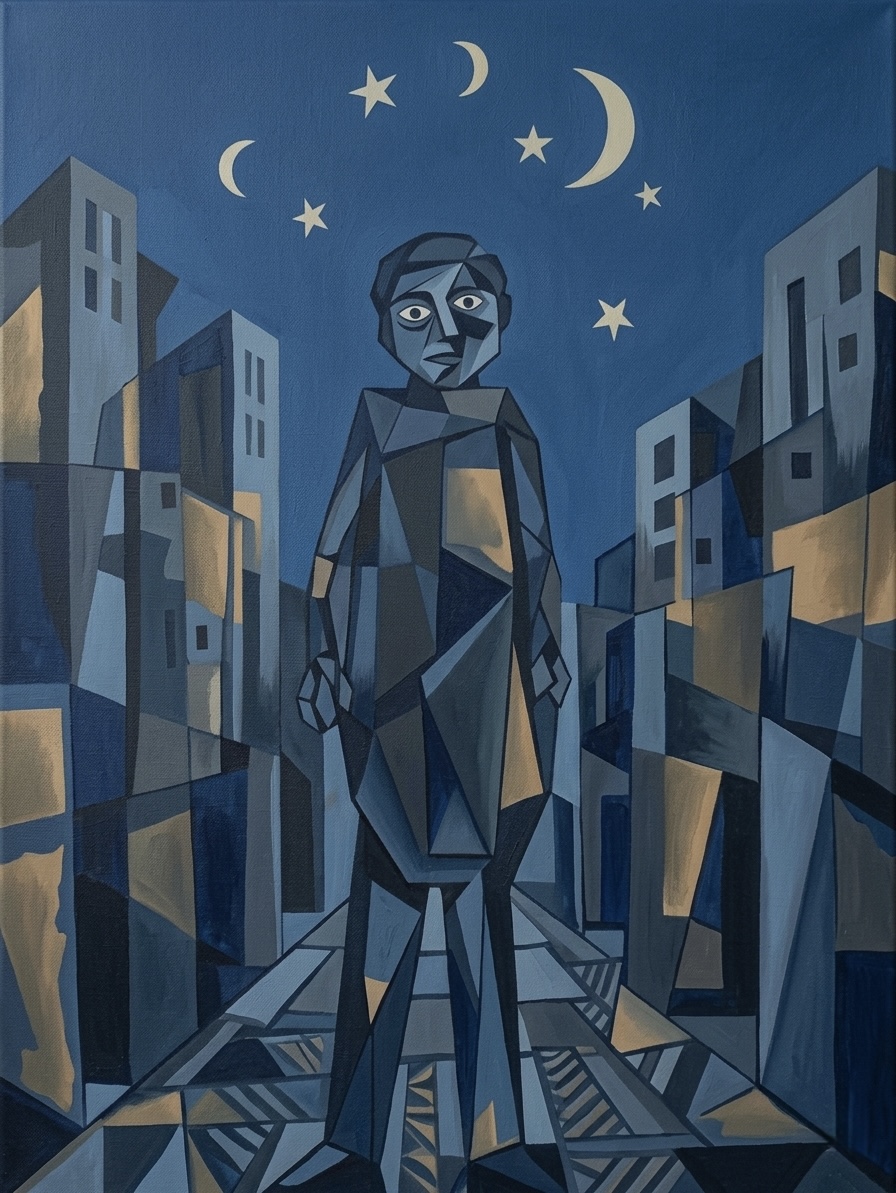
The night I am describing is not abstract. I grew up inside one.
I grew up in a church tradition that strictly controlled what its members should and should not do. The rule was simple: salvation comes through this denomination and this denomination only. No exceptions. No questions. We were told—and I am not exaggerating—to check our reason at the entrance of the worship place. Leave your brain at the door. Everything you need to know is in the Bible, and the only people qualified to interpret it are us.
For years, I lived inside that system. I did not know there was anything outside of it. The walls were so high and so familiar that I mistook them for the horizon.
And then one day, I happened to attend another denominational service—held outdoors, of all places. Just people worshiping God under the open sky. And something broke open in me. I learned, for the first time, that the God I met that day was so much bigger than the God I had been given permission to believe in.
That was my moment of stepping out of the night. Not all at once—it took years. But once my eyes opened wider, I could finally see a God who works in and through all that He created. A God who, according to the Gospel of John, sent His Son into the world not to condemn the world, but to save it. The irony is this: we are the ones who bring condemnation. We build the walls. We draw the lines. And all the while, God is saying, “I did not come for that. I came because I love the world.”
Jesus responds to Nicodemus with a statement that startles him:
“Very truly, I tell you, no one can see the kingdom of God without being born from above.”
And Nicodemus—brilliant, educated, credentialed Nicodemus—takes it literally. “How can anyone be born after having grown old? Can one enter a second time into the mother’s womb?”
His confusion is more honest than it first appears. What Jesus is describing is so radical the human mind struggles to hold it. He is not talking about self-improvement or getting one’s theology right. He is talking about being made new from the outside in—by a power no one can generate or control. The Greek word is anōthen, and it carries a double meaning: “again” and “from above.” Both matter. To be born again is to start over. To be born from above is to receive that new beginning as a gift—from God, not from yourself.
This is the hardest lesson I have ever tried to learn, and I am still learning it.
For most of my life, I operated as if my worth depended on what I could prove. Prove my competence. Prove my credentials. Prove I belonged. Somewhere in the back of my mind, a voice always whispered: You have not done enough yet. You are not enough yet. That voice sounds reasonable. But it is a lie. The whole point of being born from above is that it cannot be achieved. It can only be received. Transformation is not a reward for effort. It is a gift from a God who loved us before we had anything to show for ourselves.
I am still wrestling with this. But I have come to believe the wrestling itself is part of the new birth—that every time I catch myself striving to earn what has already been given, and I stop, and I open my hands instead of clenching my fists, something of the Spirit’s work is happening in me.
“What is born of the flesh is flesh, and what is born of the Spirit is spirit.”
The life of the Spirit is not an upgrade to the life we already have. It is a different kind of life altogether.
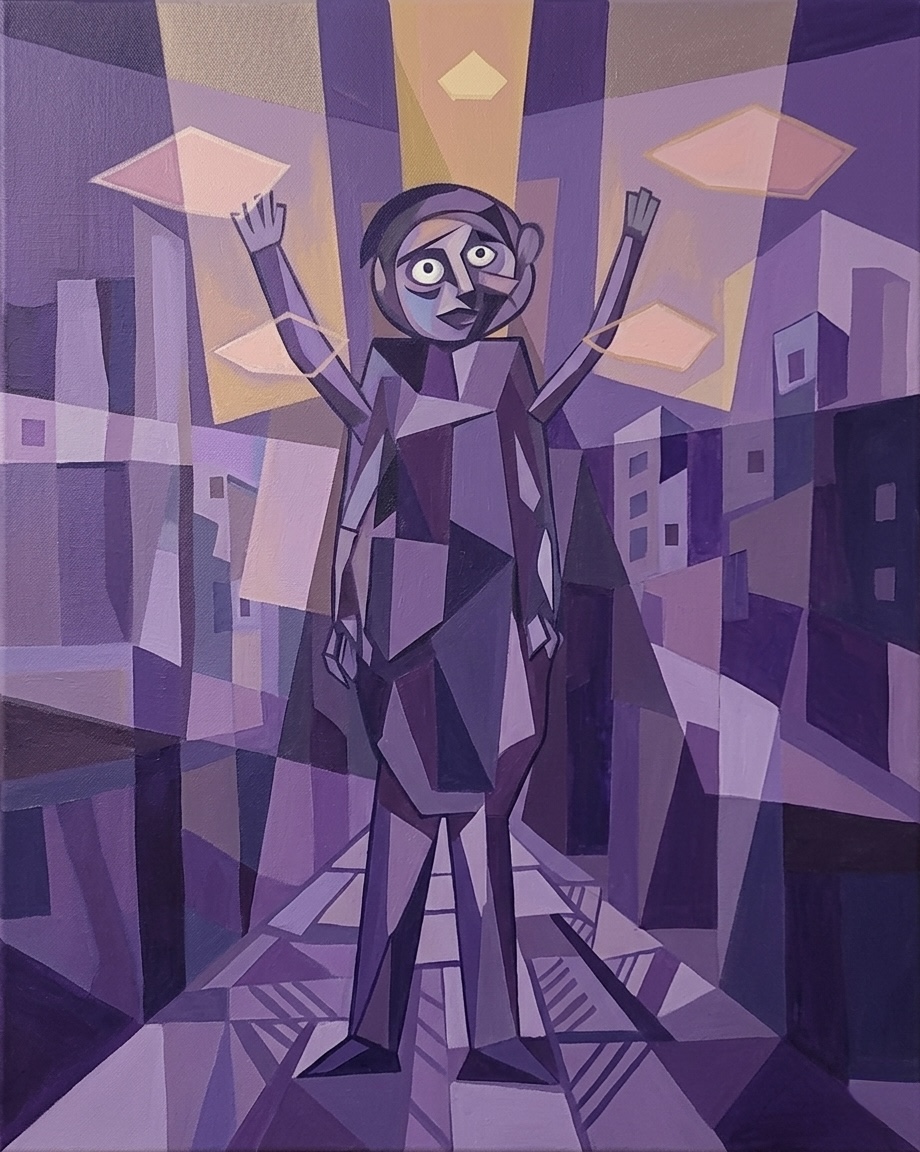
And then Jesus says something that has stayed with me for years.
“The wind blows where it chooses, and you hear the sound of it, but you do not know where it comes from or where it goes. So it is with everyone who is born of the Spirit.”
The Spirit is wind. The Spirit is ruach—the same breath that moved over the waters in Genesis, the same breath that filled the first human being with life. And wind, by definition, cannot be controlled. It cannot be scheduled. It cannot be institutionalized.
I have learned this by living it. When my wife Ahn and I were planning our next chapter, we had it all figured out—Sydney, Australia, where my sister lived. A beautiful port city. It made perfect sense. But God changed the direction. Instead of Sydney, we ended up in El Paso, Texas—a desert border city. And it was there, in a place we never planned to be, that I began the process for ordained ministry. The desert, it turns out, is where God does some of His deepest work.
It happened again with seminary. I planned a denominational school—the straightforward path. But God led me somewhere else entirely, where I not only earned my theological degree but also had the opportunity to change my family’s visa status—a process that eventually made us citizens and removed a hidden barrier to ordination I did not even know existed. God saw what I could not see. God was solving a problem I did not know I had, by sending me to a place I did not plan to go.
That is what it means to be born of the Spirit. It means a life is no longer entirely its own project. It means God is authoring a story that could not have been written by human hands—and it is better than the one we had planned.
After the wind and the water and the mystery of new birth, the passage arrives at the words that have echoed through two thousand years of faith.
“For God so loved the world that he gave his only Son, so that everyone who believes in him may not perish but may have eternal life.”
Most Christians know this verse. But familiarity can make us deaf to what it actually says. The text does not say God so judged the world. It does not say God so loved the people who got their theology right. It says God so loved the kosmos—the whole created order, including the parts that resist Him, including the parts we would rather write off. And then verse 17—the verse that does not get quoted nearly enough:
“Indeed, God did not send the Son into the world to condemn the world, but in order that the world might be saved through him.”
Not to condemn. To save. That is the mission of God in Jesus Christ.
And yet—and I say this with grief—condemnation is often the first thing the church offers the world. We have watched it in real time: the United Methodist Church going through what can only be called a great divorce, siblings in Christ leaving over theological differences. The nation dividing deeper over political ones. Congregations splitting not over the gospel, but over candidates and cable news opinions. When the church fractures, the world around it often follows.
The calling for God’s people in such a time is clear: follow Christ over political beliefs or theological differences. There is no left or right in following Jesus. There is only one direction. Because God did not send His Son to take sides in our culture wars. God sent His Son to save us from the very impulse that makes us draw battle lines against one another. The condemnation we heap upon each other—that is not God’s work. That is ours. And the good news of John 3:17 is that God’s final word is not judgment. It is love.
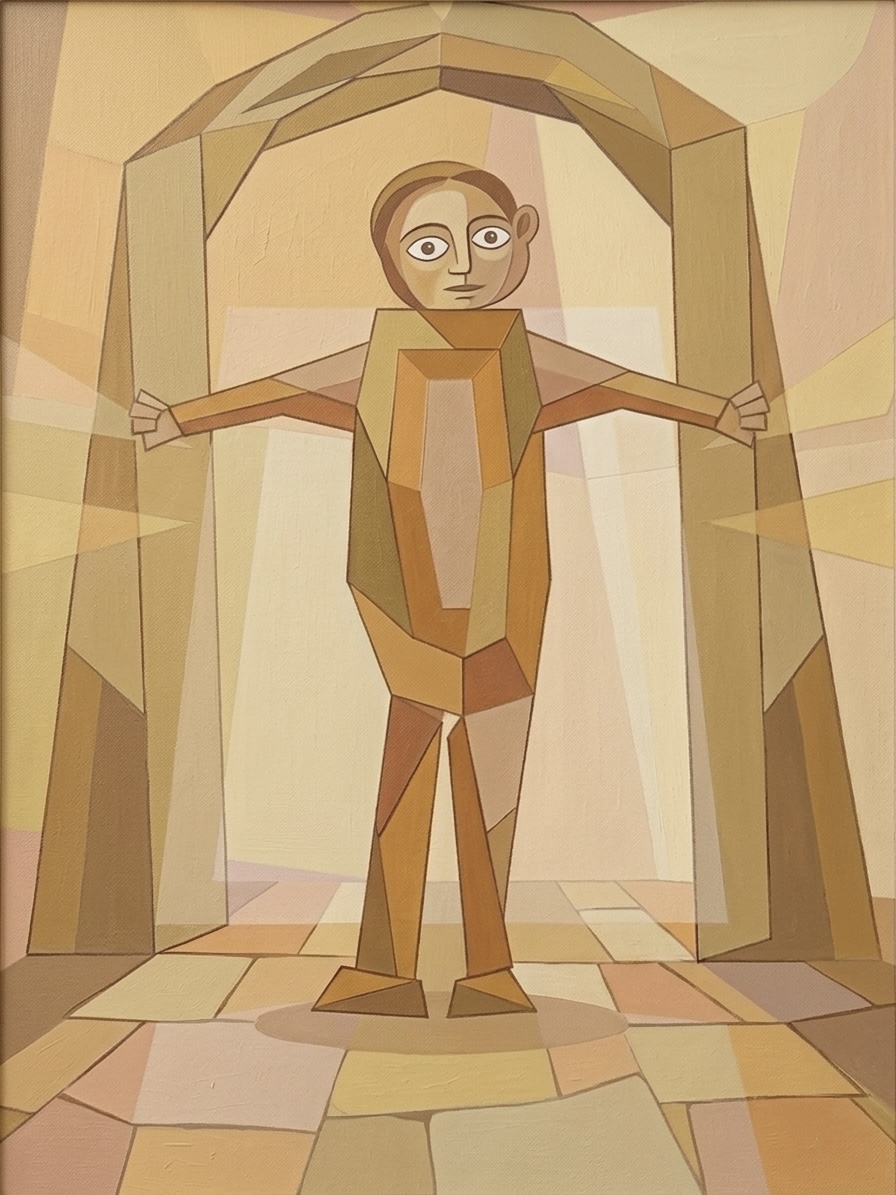
Nicodemus came to Jesus at night. But the trajectory of this story is toward dawn.
The movement from darkness to light is not just a metaphor in John’s Gospel. It is the shape of salvation itself—the passage from a small, fearful faith to a wide-open encounter with the living God. I know this movement because I have lived it. I came from a tradition that told me to check my brain at the door. And God, in His mercy, led me outside—into a faith bigger and stranger and more beautiful than anything I was given permission to imagine.
Being born from above does not mean having all the answers. It means being set free from the prison of thinking one needs them. It means the Spirit is at work—rearranging plans, redirecting steps, opening doors that were invisible.
The questions this passage leaves with us are invitations to honest reckoning—the kind Lent is designed for. Where does night still linger? What part of faith is still controlled by fear? What would it look like to stop striving and start receiving—to open clenched hands and let God give a life that could not have been earned? And can the church choose to become a community that reflects John 3:17 instead of the judgment the world expects from it?
That is the good news of the second Sunday in Lent. And it is enough.
Forgiveness for the past. Joy for the present. Hope for the future.
We are being born from above. Not by our own effort. By the breath of God.
A Prayer
God of the open sky, you who cannot be contained by any building, any tradition, any human boundary—breathe your Spirit into us again. We confess that we have built walls where you have built bridges. We have pronounced judgments you do not recognize. We have tried to earn what you have freely given. Forgive us. Remake us. Lead us from the night of fear into the dawn of your love.
Blow through our lives like wind, O God—rearranging what we thought was settled, opening what we thought was closed. Give us the courage to follow where you lead, even when we cannot see the destination. And make us a church—not of condemnation, but of the love that sent your Son into the world to save it.
Through Christ, who meets us in the dark and leads us into the light. Amen.