“The Sparrow and the Sword”
Two Pictures in One Breath
Two images sit at the center of this passage, and at first they do not seem to belong in the same room. One is a sparrow — the cheapest creature in the market, two of them sold for a penny — of which Jesus says that not one falls to the ground apart from the Father. The other is a sword: I have not come to bring peace, but a sword. The first is among the tenderest sentences he ever spoke; the second among the most disquieting. And he set them side by side, on the same afternoon, in the same stretch of teaching, to the same frightened disciples he was about to send out as sheep among wolves.
Heard alone, the sparrow yields a gospel that is gentle but weightless; heard alone, the sword yields one that is heavy but loveless. The truth of the passage is that the two hold each other up.
The Sword
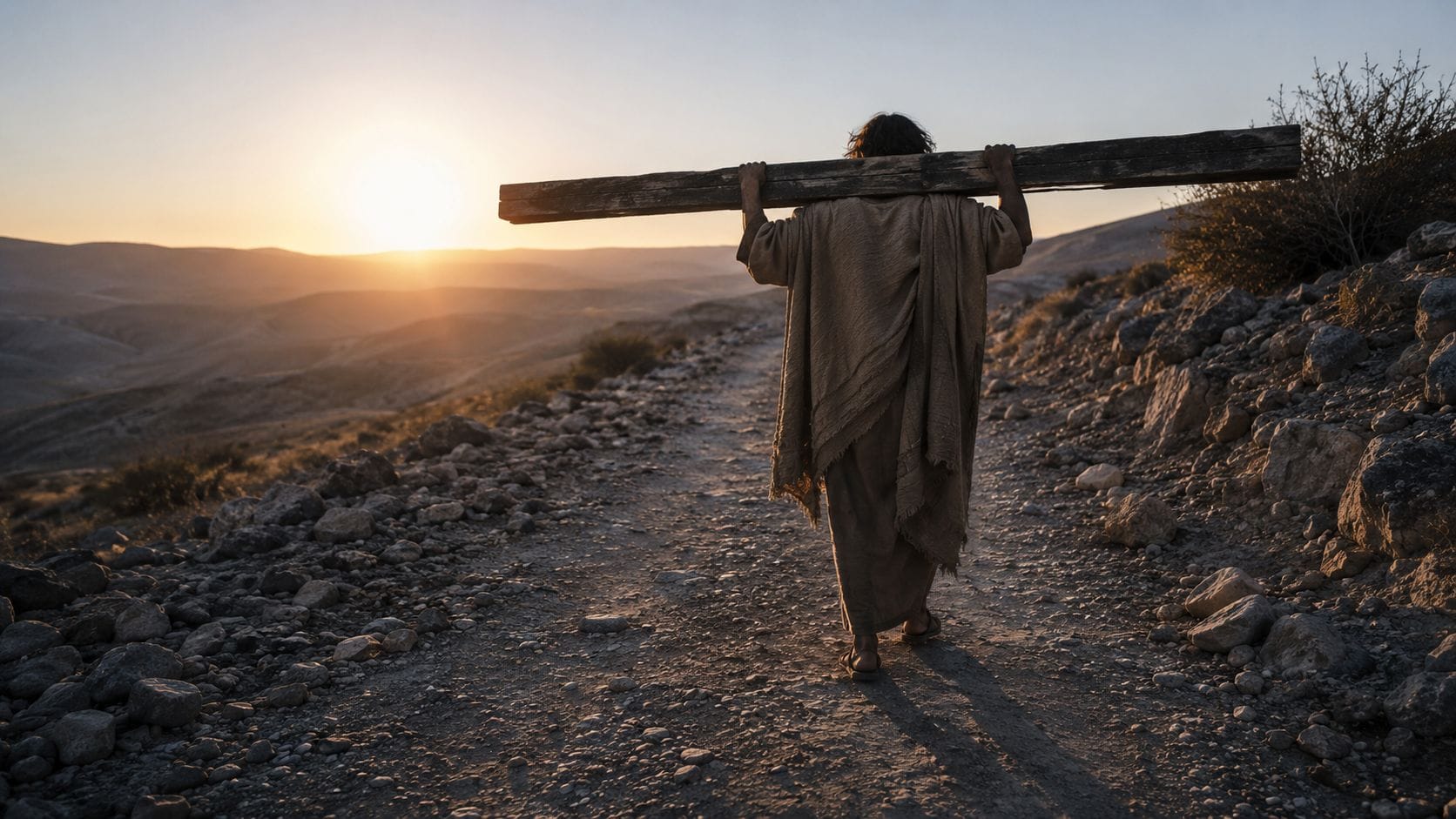
The hard image deserves to be taken first, because Jesus does not flinch from it. He has just warned the Twelve that they will be handed over to councils, flogged in synagogues, and hated for his name, and then he says the quiet part aloud: following him may cost a person peace at their own table.
“I have come to set a man against his father, and a daughter against her mother… and one’s foes will be members of one’s own household.”Matthew 10:35–36 (NRSV)
The line is a quotation of the prophet Micah (Micah 7:6), and it has often been abused, so it must be read with care. Jesus is not commending conflict, not instructing anyone to pick a fight, and certainly not blessing the cruelty done in his name across the centuries. The sword in this sentence is not a weapon he swings; it is a description of what happens when he arrives. When the kingdom of God enters a room it asks for first place, and first place is usually already taken. Allegiance to Christ reorders every other loyalty — and the people who loved someone while that someone belonged wholly to them cannot always forgive the discovery that they now belong first to him. The division is not the goal; it is the wound that love for God leaves when it refuses to be demoted.
So when Jesus says that whoever loves father or mother more than him is not worthy of him, he is not being cold but honest about the cost: nothing less than the throne of a human heart, ahead even of the people one would die for. And then the steepest line of all — that whoever does not take up the cross and follow is not worthy of him. The disciples heard those words before there was a single cross worn as jewelry or hung on a wall. To them the cross was a Roman execution stake, the most shameful death the empire could devise. Take up your cross meant: be ready to lose everything, your life included, for my sake. He never offered a cheaper version.
The Sparrow
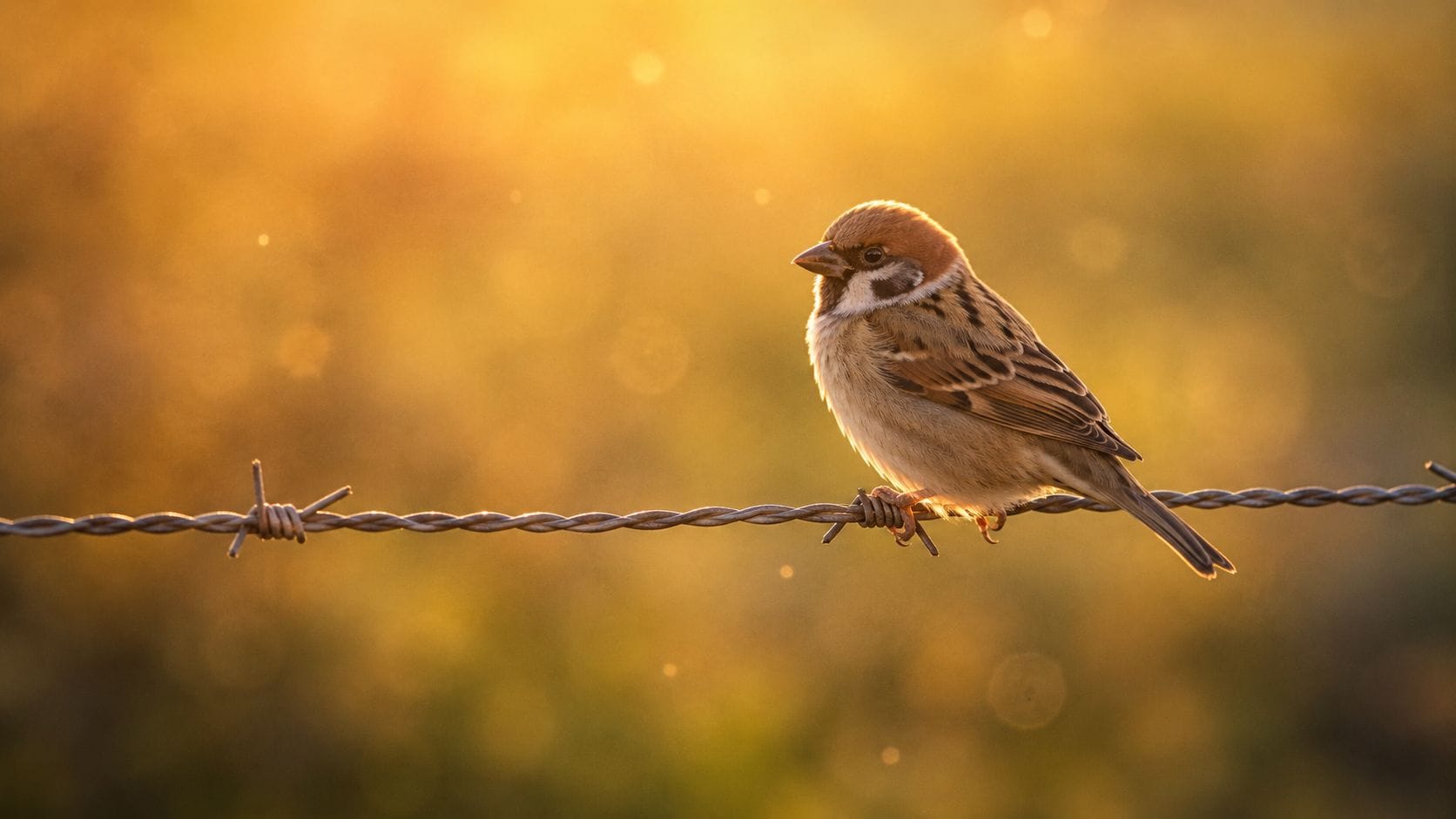
It is precisely there, inside the most demanding thing he ever asked, that Jesus reaches for the smallest bird in the world. Three times in this passage he repeats the same three words — do not be afraid. He says it of slander, promising that what is whispered in the dark will not be the last word. He says it of death: do not fear those who can kill the body but cannot touch the soul — for the one who fears God rightly has been freed from being afraid of anyone else. And the third time, he grounds the whole thing in a sparrow.
“Are not two sparrows sold for a penny? Yet not one of them will fall to the ground apart from your Father… even the hairs of your head are all counted. So do not be afraid; you are of more value than many sparrows.”Matthew 10:29–31 (NRSV)
The smallest coin in the economy; the least valuable creature on the stall; and the Father attends to its falling. Then a detail almost absurd in its intimacy — the hairs of a human head, not weighed or estimated but counted, numbered, each one known. This is why the sword does not crush the disciples. They can take up a cross because they are held by a Father who loses track of nothing: not a sparrow, not a hair, not one of his children falling in a field. The courage Jesus asks for is never bare willpower; it is the freedom of a beloved child. A life can be risked for his sake precisely because the One it is risked for has counted every hair and will not misplace anyone. The sparrow is what makes the sword survivable.
Out of that security comes a single charge. Everyone who acknowledges me before others, I also will acknowledge before my Father in heaven (Matthew 10:32). The fearlessness is not an end in itself; it is for the sake of a confession — the willingness to be known, publicly and at cost, as belonging to Christ. The disciple who has stopped being afraid of people is finally free to say whose they are.
Losing and Finding

The teaching gathers into a single sentence, the riddle beneath everything else Jesus has said:
“Those who find their life will lose it, and those who lose their life for my sake will find it.”Matthew 10:39 (NRSV)
It is a paradox, and it is also the most practical observation about human existence ever made. A life clutched, defended, kept safe and kept one’s own, slips through the fingers anyway, and is found at the end never to have been truly lived. A life handed over — spent on Christ and on the people he loves, poured out the way he poured out his own — turns out to be the only kind anyone has ever actually found worth having. The grain of wheat that refuses to fall into the ground stays a single grain; the one that consents to be buried becomes a harvest. This is not a threat but an invitation, and it is good news, because the One who asks for a life already gave his own — took up the literal cross, went down into the literal ground, and came up on the third day with the keys of death in his hand. He does not ask anyone to leap into the dark. He asks them to fall, like a sparrow, into the hands of a Father who has never once dropped anyone.
A Closing Prayer
Father, you count the sparrows and you number our hairs, and you have never lost a child who fell into your hands. Where following Jesus has cost us — peace at the table, the approval of people we love, comforts we would rather have kept — give us the courage of the beloved, the freedom of those who fear you and therefore need fear nothing else. Teach us the strange arithmetic of the kingdom: that the life we clutch slips away, and the life we spend on you is the life we finally find. Make us brave with the bravery of those who know they are held.