
“Two or Three”
The Saddest Errand

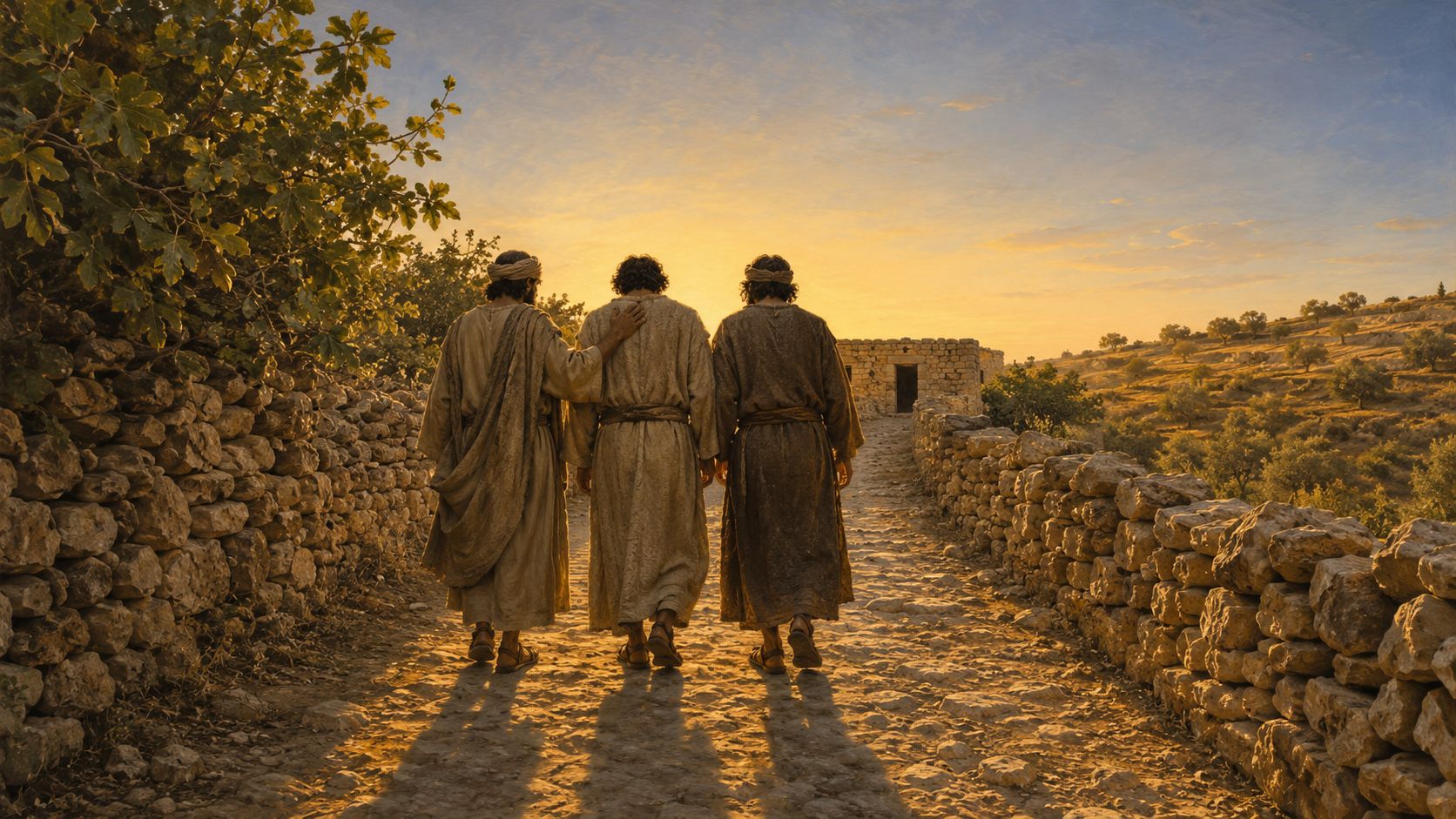
Two people are walking up to a door.
They talked about it in the car, then went quiet. Between them walks a third — the one who already tried this alone and got nowhere. Inside is somebody who has gone wrong and has no idea they are coming.
Nobody in that little group volunteered. That is the saddest errand a church ever runs.
Hold that picture, because we are going to come back to it. First, the most quoted sentence in this morning’s Gospel: Where two or three are gathered in my name, I am there among them. We put that one on wall hangings. We say it when the sanctuary looks thin. And here is the question I could not get around this week: who are the two or three? Matthew tells us. Three verses earlier. And it is not us on a slow Sunday.
I am not answering that yet.
The Same Word, Six Days Apart
“If another member of the church sins against you, go and point out the fault when the two of you are alone. If the member listens to you, you have regained that one.”Matthew 18:15 (NRSV)
Six days ago we heard the worst trade anybody has ever been offered. What will it profit them if they gain the whole world but forfeit their life? One chapter later, that same word comes back. If the member listens to you, you have regained that one.
Gained. Same word, six days apart.
You cannot gain the world. But you can gain your brother. That is the reason this paragraph exists. The goal is never to win. It is to get the person back.
And still: who are the two or three?
Go. Alone.
Three steps. Go alone. Then take two or three with you. Then tell the church.
Look how small the first one is. One person. One conversation. No audience. When the two of you are alone — that is not politeness. That is protection. Nobody else has heard anything yet, so nothing has to be taken back.
And here is our trouble — and I am in this with you. That first step is the one nobody takes.
What gets taken instead is the conversation in the parking lot. The message to a third party. The sentence that starts, I’m only telling you so you can be praying about it.
There is a more respectable way around it, too. We read a passage like this and decide it was written for people two thousand years ago, in a different world. And we walk out lighter. But we say this word is timeless. So when we start picking which parts still count — which one is wrong? The Bible, or the ones doing the picking? We interpret; we have to. But interpreting is not the same as calling a passage out of date because it asks something of us.
Still: who are the two or three?
The Hard Sentence
“If the member refuses to listen to them, tell it to the church; and if the offender refuses to listen even to the church, let such a one be to you as a Gentile and a tax collector.”Matthew 18:17 (NRSV)
Now the hard part. That sentence has been used to put people out. It has been quoted at people who were already bleeding. On its face it means exclusion, and I will not pretend it doesn’t.
But one question first. In this Gospel — in Matthew — how does anybody treat a tax collector?
Chapter nine: Jesus walks past a tax booth and calls the man sitting in it. Chapter ten: that man is one of the Twelve. Chapter eleven: they sneer that he is a friend of tax collectors and sinners, and he does not argue. Chapter twenty-eight: go to the Gentiles. All of them.
So treat him as a Gentile and a tax collector can honestly mean this: yes, he is outside now — and you know exactly what this Lord does about people on the outside. He goes and gets them.
And look where Matthew put it. The lost sheep comes right before this passage. Seventy-seven times comes right after.
One thing I need to say plainly, because it matters more than anything else here. All of this assumes two people who can each walk away safely. It is not telling you to go be alone with someone who is dangerous to you. Six verses earlier this same chapter says better a millstone around your neck than to harm one of these little ones. If that is your situation, this text is not asking it of you.
Count Back Three Verses
“But if you are not listened to, take one or two others along with you, so that every word may be confirmed by the evidence of two or three witnesses.”Matthew 18:16 (NRSV)
So — who are the two or three?
They are the witnesses — the two you take with you after the first try failed. The two walking up to that door.
It was never a promise about attendance. It belongs to the smallest, saddest, most reluctant meeting a church ever holds — and that is where he says he will be standing.
Matthew builds his whole Gospel on that promise. He opens with Emmanuel — God is with us. He closes with I am with you always. And here, in the middle: I am there among them. The first one is said over a cradle. The last one, by the risen Lord on a mountain. This one is said to a church in the middle of failing.
He did not promise to show up when we are at our best.
He Got There First
I will tell you what I could not get past this week.
I am not the exception. I know what a pastor owes his people, and part of it is saying the hard thing when something has gone wrong. I also know I am afraid of losing anyone. But a shepherd was never told to keep the count. He was told to guard the sheep — and go after the one that wandered.
And don’t hear that as the pastor’s job. Jesus is the Good Shepherd — but he didn’t keep the work to himself, and he didn’t hand it only to pastors. Every one of us is somebody’s shepherd. The first man who ever killed anybody had his answer ready when God asked where his brother was. Am I my brother’s keeper?
There is a conversation I have been not having for a good while now. I have excellent reasons for it. Every one of them is an excuse. This text did not scold me for that. It told me who else would be at that door.
So here is the question to carry out of this room. Who is the conversation you have been not having?
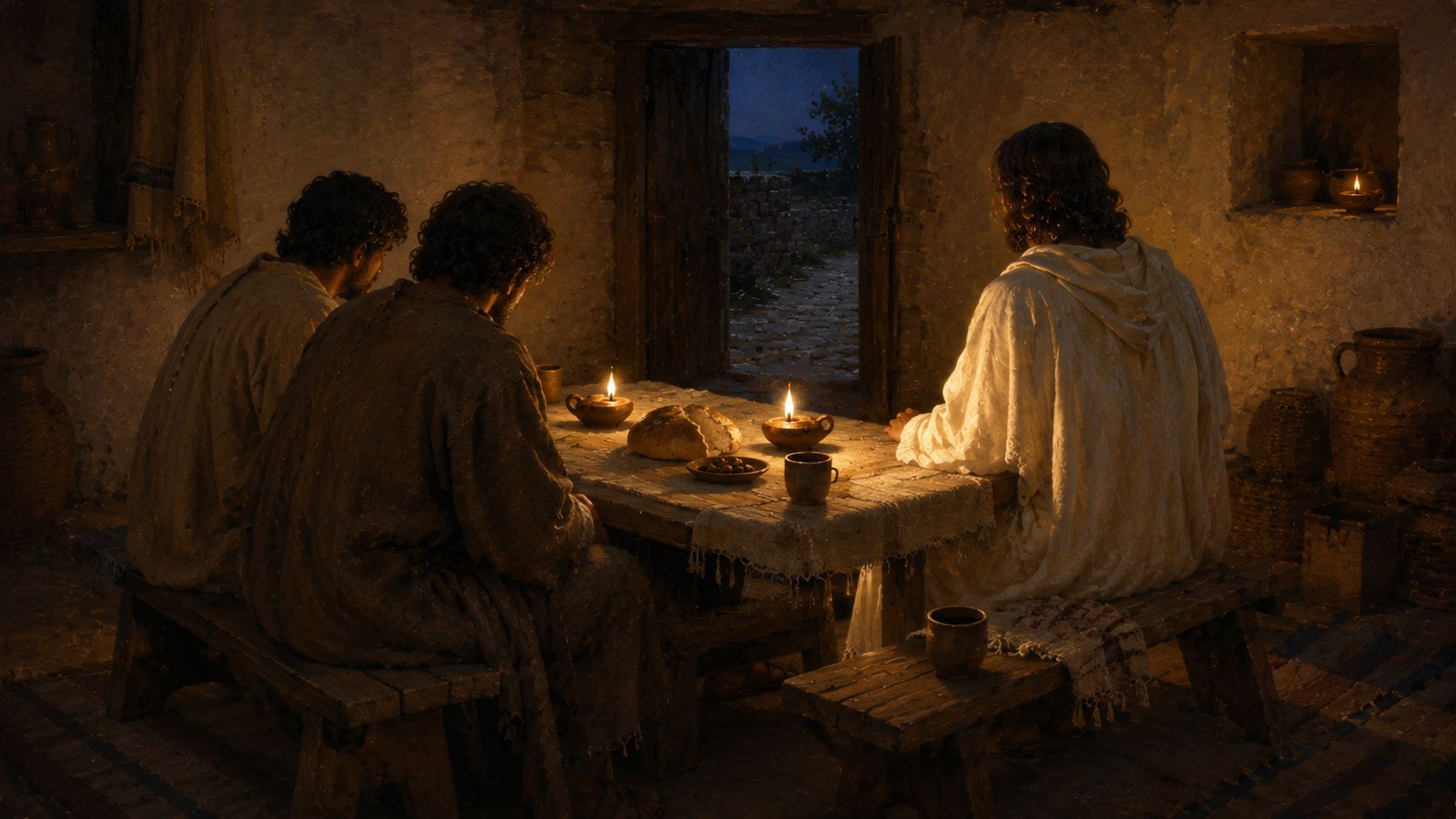
And then we come to a table that says it again in bread. We do not bring Christ to it. He set it. And there is a place laid for the person you have been avoiding. He got there first. There is nobody he will not go and get. And grace is not finished with any of us yet.
So don’t be afraid of what obeying him might cost you. In Christ the math runs backward: losing is gaining, and holding on is how you lose. The servant who buried his talent was only scared of losing it. What we are given is for using, not for keeping.
A Closing Prayer
Lord Jesus Christ, you did not wait for us to become a better church before you promised to stand in the middle of us. Give us courage to go — to go alone first, and to go to gain a brother, not to win an argument. Forgive us where we have been silent and called it kindness. And when the errand is hard, remind us that you are already there. You always were.
In the name of the Father, and of the Son, and of the Holy Spirit. Amen.